I’m always reading at least one nonfiction book. I like to read nonfiction in print and listen to it in audio. So, I usually have nonfiction going in each of those formats.
I love fiction, of course, but I’m a huge learning nerd, so nonfiction is where it’s at! I tend to highlight all over my physical copies and keep them in my library.
Of course, I have some favorite nonfiction that I read this year.

My Favorite Nonfiction Books of 2023
I read 203 books in 2023. Of those, I gave 15 nonfiction books perfect grades. Read my reviews of them below.
1. Crucial Conversations: Tools for Talking When the Stakes Are High
I went into Crucial Conversations: Tools for Talking When the Stakes Are High with my hopes high. A student recommended the book to me. And honestly, students don’t recommend books that often, probably because they only have time to read what’s assigned for class and nothing more.
Not only did this student recommend a book that highly impacted him, but he wrote down every book I mentioned in class. I recognize another reader, and I love it!

Crucial Conversations didn’t disappoint. I think my favorite part of the book was where it talked about removing your emotions and, therefore, assumptions from conversations. Because when you bring emotions into a conversation, you automatically assume another person’s thoughts, feelings, and intentions. These assumptions are often wrong and lead to emotionally-charged and ineffective communication.
As I was reading the book, I kept thinking about the therapeutic phrase, “What also may be true?” It’s about recognizing your personal narrative and how it frames how you perceive people’s intentions.
I also enjoyed how the book shared real stories of applying the concepts to crucial conversations in the workplace and beyond. I found it practical and helpful.
2. Everybody Writes: Your New and Improved Go-To Guide to Creating Ridiculously Good Content
I read Ann Handley’s second edition, Everybody Writes: Your New and Improved Go-To Guide to Creating Ridiculously Good Content, with my media writing students. The crutch of the book is simple — we may not all be journalists or authors, but we’re all writers. Why? Because, from social media updates to email messages, we’re all writing every day.
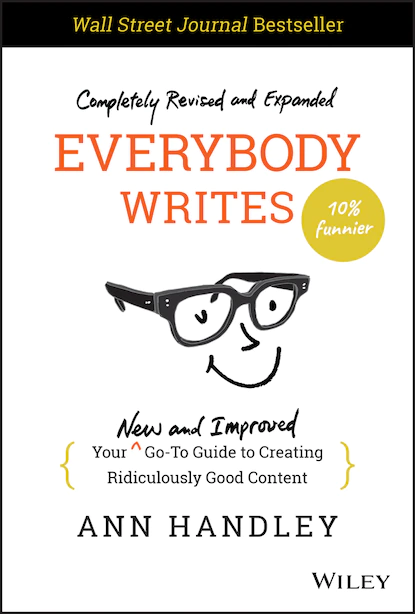
In this book, Ann provides writing rules on everything from basic grammar to writing headlines for marketing content.
The second edition of this book is still a must-read, although I admit to not having the “wow” responses that I did with the first edition. I had already read most of it, after all.
But the chapters are still short, the tips easily understood, and the examples updated.
As in the first edition, Ann’s witty personality shines through in her writing, and, for me, her journalism background and success with MarketingProfs give her the credibility she needs to be an expert on my favorite subject — writing.
I’ll continue reading this book with media writing students every semester I teach it.
3. Hell in the Heartland: Murder, Meth, and the Case of Two Missing Girls
How did I not hear about this? That’s what I thought when I read Jax Miller’s book, Hell in the Heartland: Murder, Meth, and the Case of Two Missing Girls. I mean, I live in Oklahoma, so it seemed odd to me. I Googled the case when I finished the book and immediately recognized the photos of the people involved. But the Oklahoma described in this book is nothing like where I live.
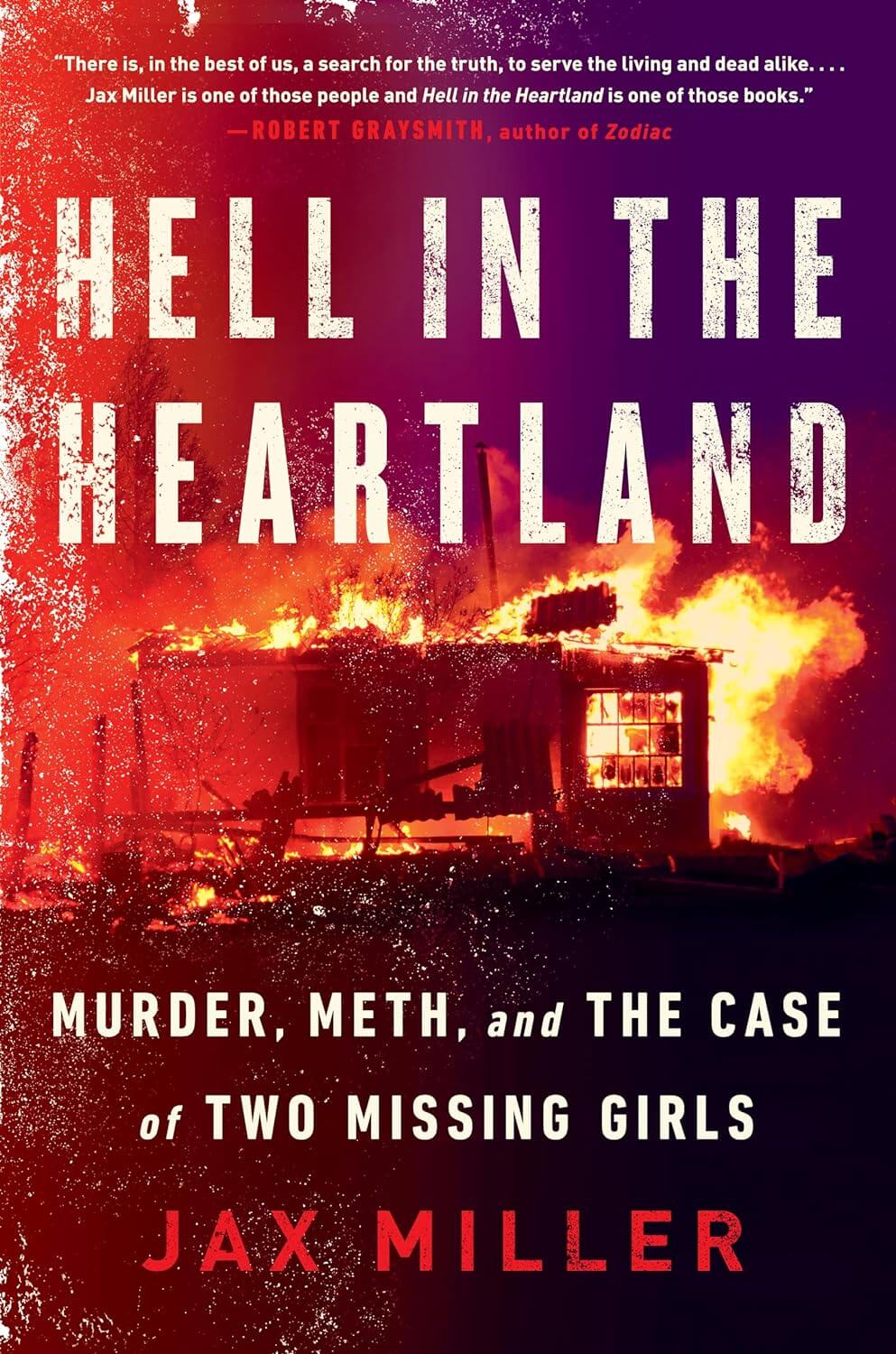
The book is about the disappearance of two teenage girls, Ashley Freeman and Lauria Bible, who vanished in December 1999 after a nightmarish series of events that included the murder of Ashley’s less-than-perfect parents and the burning of their trailer home.
Lauria Bible’s family, specifically her mother, never stopped looking or answers to where her daughter was. It resulted in her identifying corruption in the local police, ineptness in the state bureau of investigation, and going deep into the belly of Oklahoma’s methamphetamine problem.
4. I Never Thought of It That Way: How to Have Fearlessly Curious Conversations in Dangerously Divided Times
I Never Thought of It That Way: How to Have Fearlessly Curious Conversations in Dangerously Divided Times by Mónica Guzmán is a mic drop book.
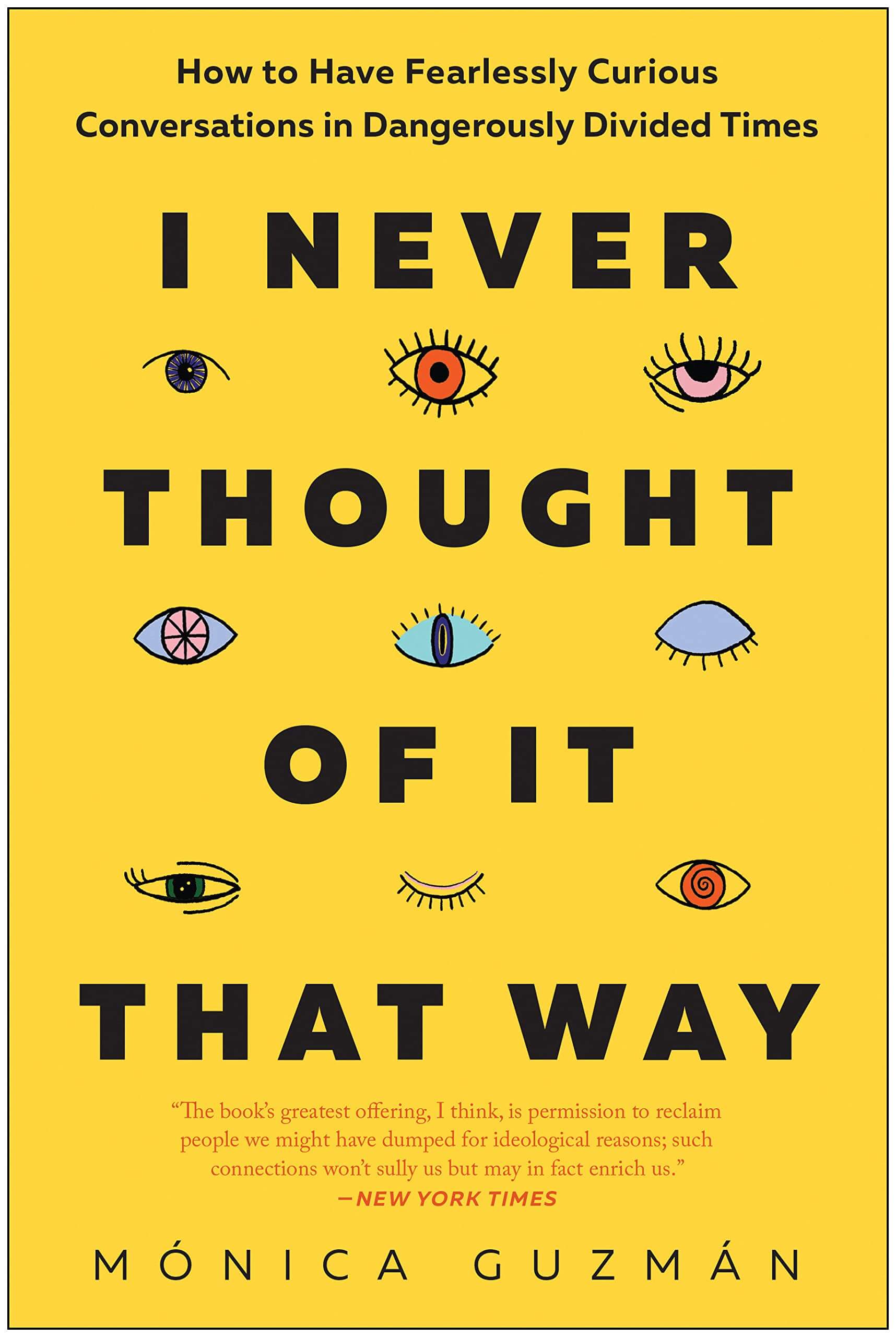
The book explores how divided we’ve become as Americans and why that might be. It provides specific examples of the things that divide us (many of which are political and societal views) and how we make assumptions about who others are or why they believe a certain way as a result of their stances.
I thought the most important aspect of this book wasn’t necessarily the idea that we may not be as far apart as we think we are. Instead, to me, the most important consideration is who benefits from us thinking we sit at opposite poles.
5. No Ego
My boss told me that she was rereading No Ego: How Leaders Can Cut the Cost of Workplace Drama, End Entitlement, and Drive Big Results. I figured if she was reading it twice, it was probably worth me reading once.

The book claims how we’ve been approaching leadership in the workplace is all wrong. We’ve believed that change is difficult and engagement drives results. Further, we’ve assumed that it’s the leader’s job to somehow spark that engagement in every employee.
Instead, according to the book’s author, Cy Wakeman, we should look to individual employees for accountability. And we should stop measuring how we’re doing as leaders and how the workplace is or isn’t excelling based on everyone’s views. After all, all employees aren’t equal, nor do they bring equal value to your team.
My mind was pretty blown when Cy first started writing about this concept, but I must admit that I came to agree.
Also, I loved how Cy described individual accountability early in the book. She said we need to stop “BMW,” which is bitching, moaning, and whining. Instead of BMW, we should ask what a great response would look like in that situation and then do that.
The book gave me a lot to consider and discuss with our team. I’m still not sure I totally agree with it all, but I wouldn’t be surprised to find myself revisiting it in the future, too.
6. Soundtracks: The Surprising Solution to Overthinking
Jon Acuff’s book, Soundtracks: The Surprising Solution to Overthinking, was funny. Jon’s sense of humor comes across well in his books and the examples he uses to back up his points.
Maybe the fact that he’s funny is one reason this book is such a great read. You really don’t expect Jon to be an overthinker, but apparently he is. So much so that it results in indecision and inaction.
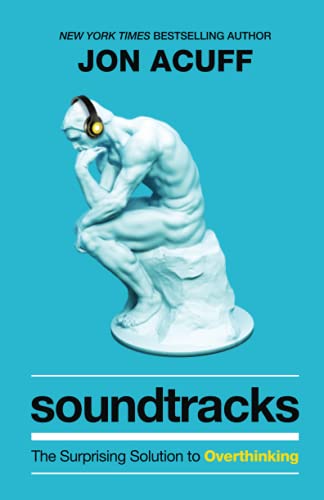
I loved the way Jon framed “soundtracks,” or what I would call “mantras,” as a way to move out of negative thinking or overthinking cycles. I already do this some, and I want to do it more. Thankfully, Jon’s book provides some advice for applying what you learn immediately.
FYI, I also loved Jon’s books Do Over and Quitter. They both made my list of favorite nonfiction books in 2015.
7. Strung Out: One Last Hit and Other Lies that Nearly Killed Me
Reading an honest portrayal of addiction is never easy. And, sadly, a lot of them have similar narratives. But Erin Khar’s story, Strung Out: One Last Hit and Other Lies that Nearly Killed Me, is different because she recognizes her privilege. Erin is able to tell her story of heroin addiction that started in her teen years, but also draw attention to how things would have been different (possibly even worse) if she didn’t have parents with financial means and if she weren’t a white woman.

Khar’s writing helps make the book an honest human story about struggle, resilience, and the pursuit of healing. She doesn’t shy away from detailing the darker moments of her life, including the lies, theft, and moments of desperation that marked her years of drug abuse.
One of the book’s strengths is its ability to humanize addiction, breaking down the stereotypes and stigmas often associated with drug users. Khar’s journey is a reminder that addiction can touch anyone, regardless of background, and that recovery is challenging.
8. The Content Fuel Framework: How to Generate Unlimited Story Ideas
Students always talk about how there’s nothing to write about. So, when I started Melanie Deziel’s book, The Content Fuel Framework: How to Generate Unlimited Story Ideas, I knew I had to read it with my media writing students.

At the heart of the book is the Content Fuel Framework, a flexible and easy-to-understand model that systematically guides readers through the process of generating content ideas. The framework is built on the premise that by combining a focus area (what you want to talk about) with a format (how you will convey your message), you can unlock a virtually unlimited wellspring of ideas. This approach is straightforward and revolutionary, empowering readers to consistently create fresh and engaging content.
The book is filled with real-world examples, case studies, and practical tips that make the content not just informative but also relatable and applicable. It helped my students see the framework in action and generate their own campus-related story ideas for the rest of the semester.
9. The Mountain is You: Transforming Self-Sabotage into Self-Mastery
The Mountain is You: Transforming Self-Sabotage into Self-Mastery by Brianna Wiest had some chapters that hit hard. I’ll be buying this book for my personal library and rereading at least part of it. You know a book is good when I want to highlight and write in it.
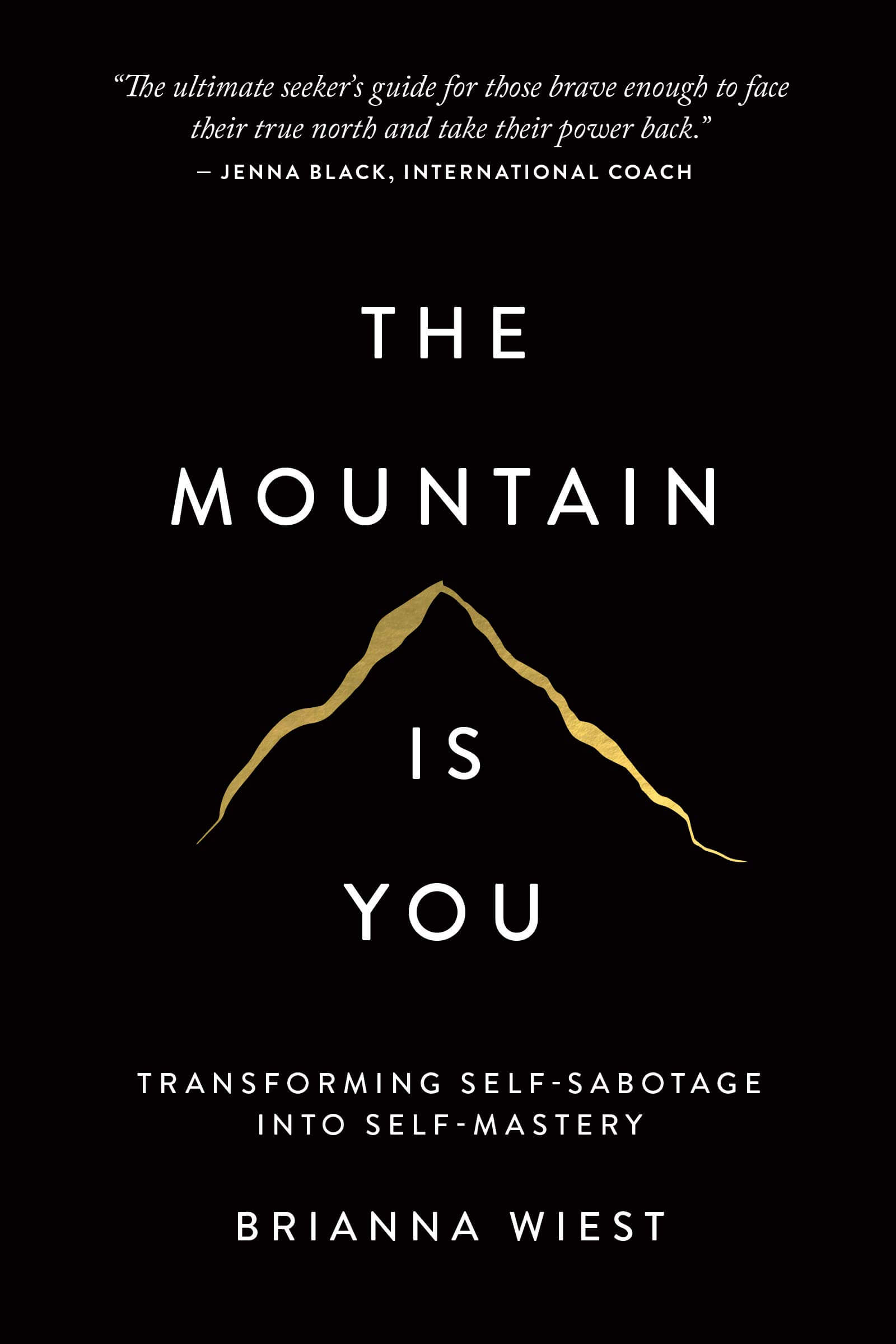
The book is about self-sabotage and how we get in our own way. Perhaps more importantly, it explains why we do this and how to move on from it.
I always love a good self-development book, but this one really hit the mark for me.
10. The Woman in Me
Is she nuts? Are they all nuts and abusive? What in the hell is going on here?
I was a little old for the Brittany Spears craze, but The Woman in Me got so much attention that I had to read it.
Needless to say, I was left with more questions than answers.

It seems clear that Brittany was in two terrible relationships with significant others. It also seems abundantly clear that her parents overstepped their boundaries and used her talents and fame for their own profit. But is Brittany capable of caring for herself? I finished the book uncertain that she isn’t also seriously ill.
It seems like there’s a lot more to this story.
More than anything, I hope she can find peace, happiness, and the independence she deserves.
11. Trust and Inspire: How Truly Great Leaders Unleash Greatness in Others
Are you a trust and inspire leader or a command and control leader?
Confession: I’m pretty sure I’ve always been a control and command leader until my current role.
I think I adopted that method because it’s what I knew. It’s how I’d been led and what the environments I was in expected and supported.
I’m trying to become more of a trust and inspire leader after reading Trust and Inspire: How Truly Great Leaders Unleash Greatness in Others by Stephen M.R. Covey (Yes, that Stephen Covey.), David Kasperson, McKinlee Covey, and Gary T. Judd.
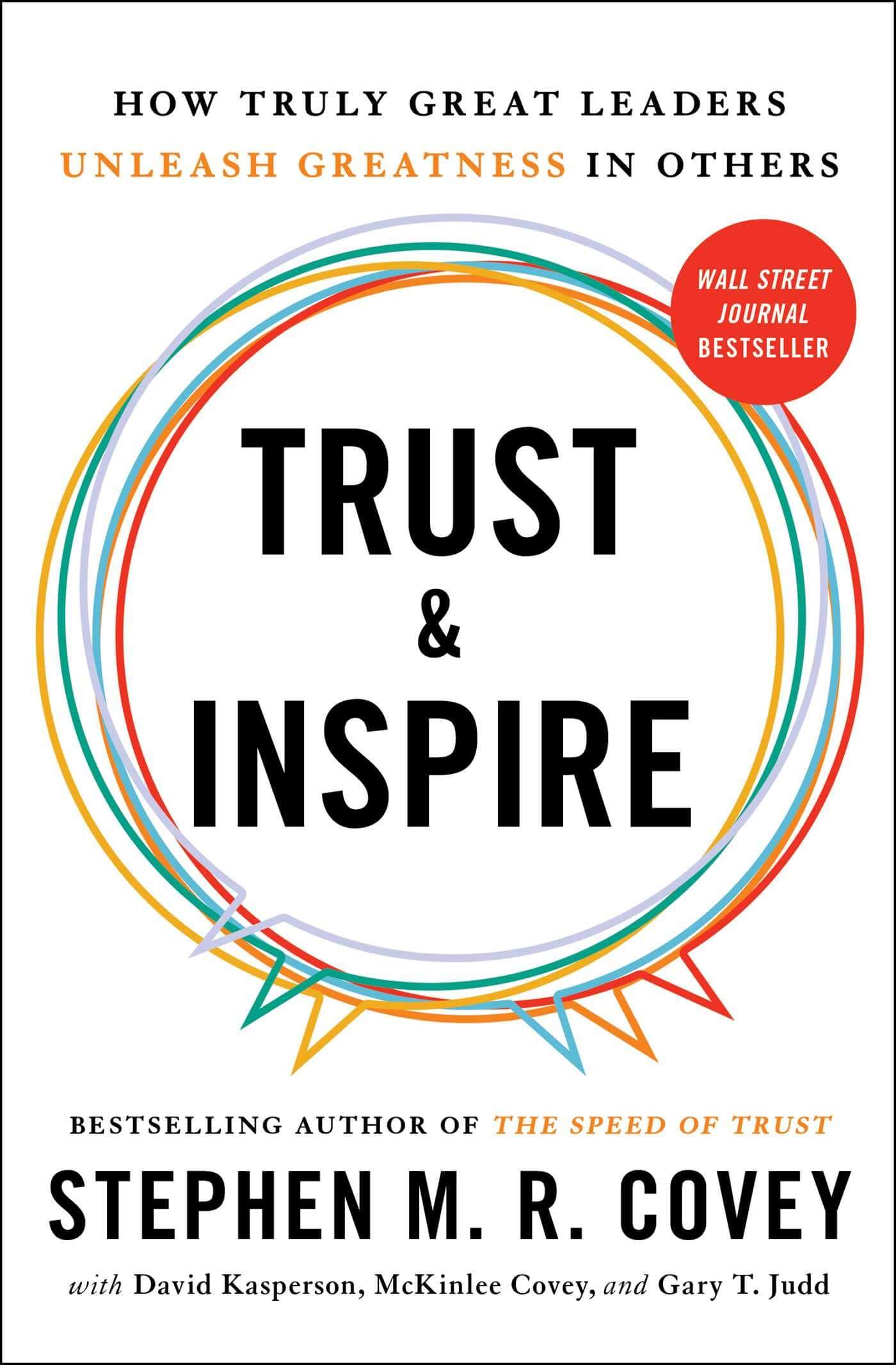
The book starts with a bold assertion: great leaders understand the importance of building trust and inspiring others to unleash their full potential. Covey lays out his argument expertly, taking readers on a journey through various leadership scenarios, anecdotes, and research studies.
One thing I really loved about the book is that the authors assume that most of us aren’t the type of leaders we want to be. In other words, most of us aren’t trust and inspire leaders. They explain why (mostly learned behavior and a shift in leadership styles through the years) and tell us how we can work to undo our current styles and become the leaders we want to be.
12. Twisted: The Story of Larry Nassar and the Women Who Took Him Down
There is no layer of hell deep or terrible enough for Larry Nassar.
Twisted: The Story of Larry Nassar and the Women Who Took Him Down by Mary Pilon and Carla Correa paints a painfully vivid picture of Nassar’s crimes, which victimized hundreds of young women, probably more than we’ll ever truly know.
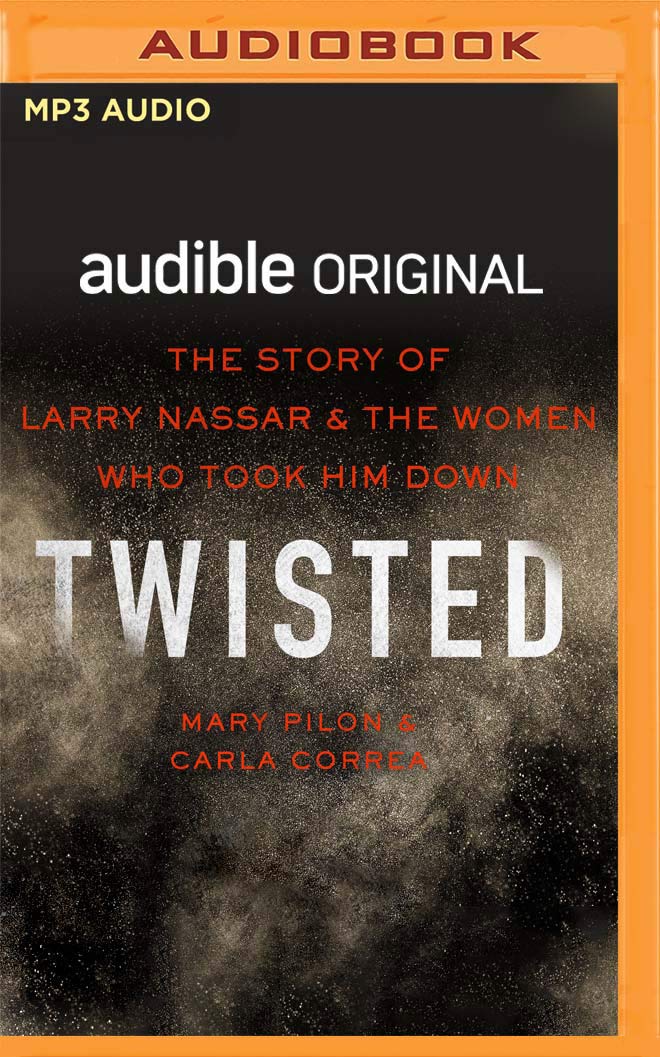
I love a book written by journalists. I feel like you can trust their fact checking and storytelling even more. This book was painful to listen to at times, especially when learning for the first time that Nassar likely planned to move on to handicapped children as his next victim pool (if he hadn’t already).
Pilon and Correa do not shy away from the grim details of the abuse, but their focus is firmly on the bravery and resilience of the women who came forward to expose Nassar and fight for justice, making this an emotional and powerful read.
If you only read one book about Nassar’s crimes (and one really is enough), this one should be it.
13. Uncultured: A Memoir
Uncultured: A Memoir by Daniella Mestyanek Young is the woman’s story about growing up in a cult and everything that happened to her there, then replacing it with service in the army.
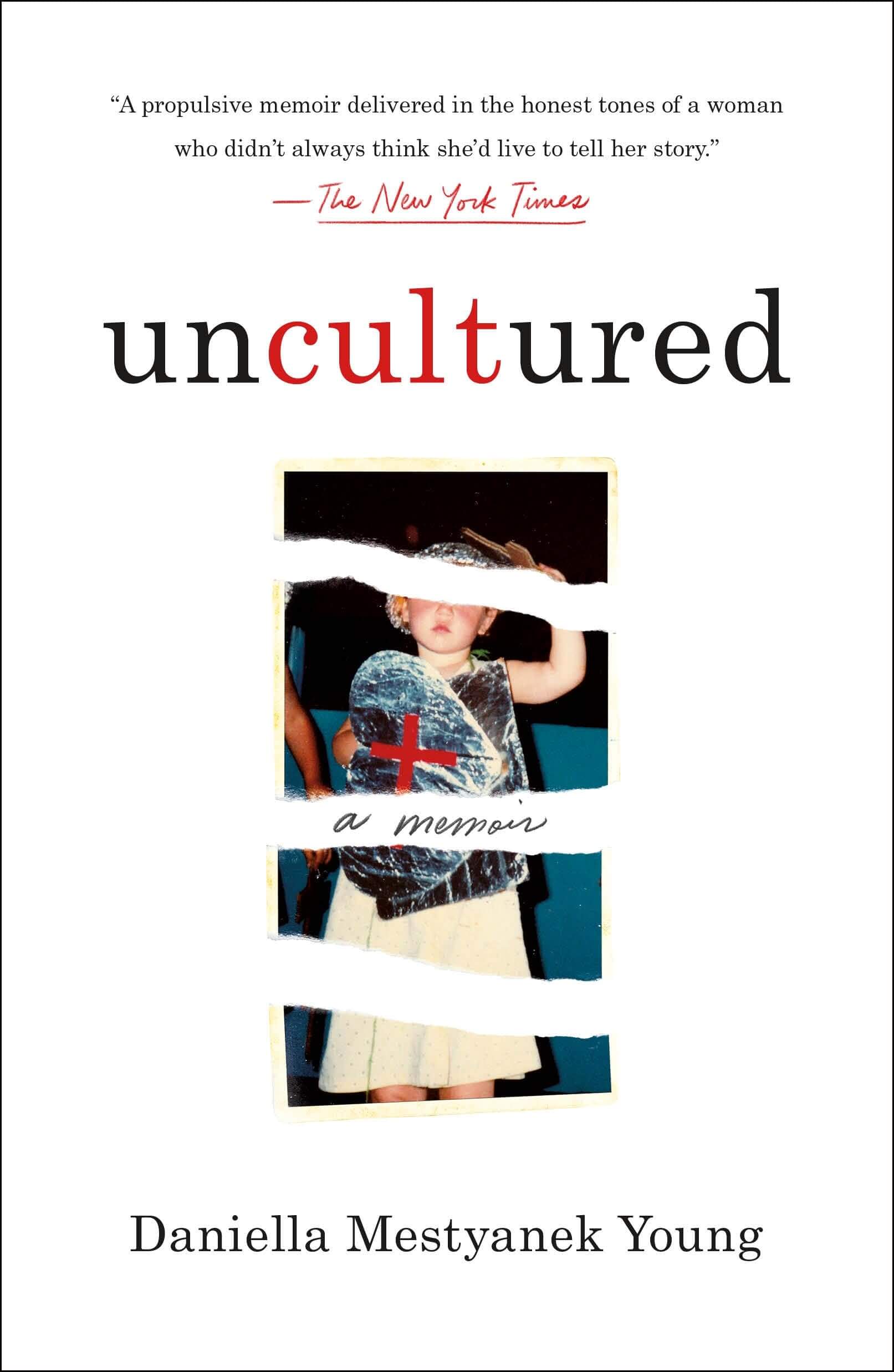
There are so many compelling things about Daniella’s story. One is that it leaves you in awe of the human condition and what people can be led to believe, and what they can survive. Another is how much life in the army resembled life in the cult. It leaves you wondering… how many of our organized institutions really are just glorified cults? How many of them have cult-like attributes?
Daniella has survived things most of us can’t even imagine, and she somehow still managed to thrive. Her story is worth reading to support her and in an attempt to understand what some people experience at no fault of their own. What could we do differently to help people in these types of situations?
14. When We Walk By: Forgotten Humanity, Broken Systems, and the Role We Can Each Play in Ending Homelessness in America
When We Walk By: Forgotten Humanity, Broken Systems, and the Role We Can Each Play in Ending Homelessness in America by Kevin F. Adler, Donald W. Burnes, and Amanda Banh Andrijana Bilbija should be required reading for every American.
The book is a research-based assessment of the issue of homelessness in our nation.
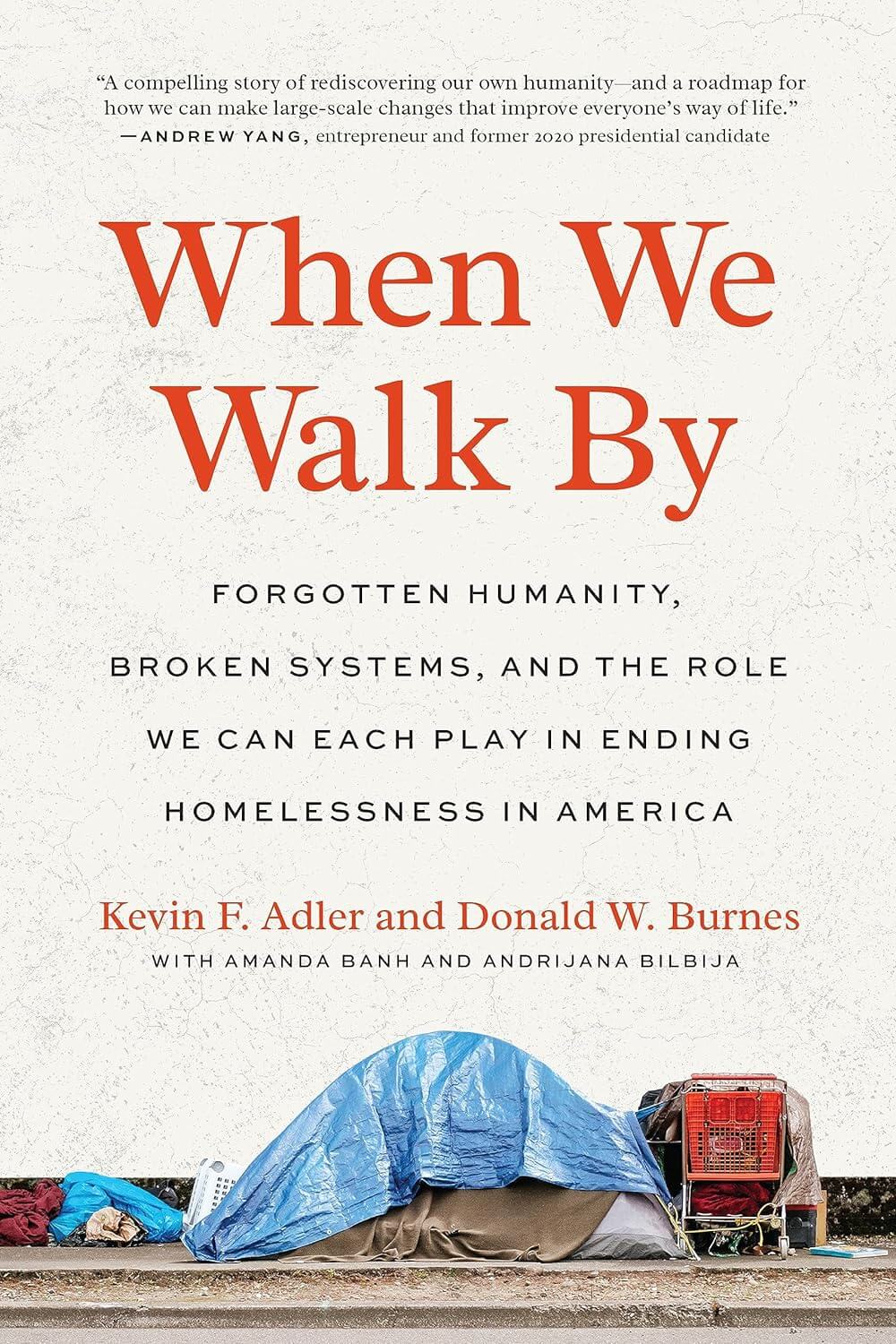
The authors give a voice to people experiencing homelessness by sharing their stories after many interviews.
They also do an excellent job of reviewing systemic failures that perpetuate homelessness, delving into how current policies and societal attitudes often exacerbate the problem. Then, they unpack some of the common myths or stereotypes about homelessness and what we can do to help.
15. White Women: Everything You Already Know About Your Own Racism and How to Do Better
White Women: Everything You Already Know About Your Own Racism and How to Do Better by Regina Jackson and Saira Rao is a book every white woman needs to read. Jackson and Rao are the founders of Race2Dinner, an organization that facilitates conversations between white women about racism and white supremacy.
A friend recommended the book, which is about what Jackson and Rao have learned through lived experience and hosting these dinners. We couldn’t stop talking about it as I was reading. I honestly think we could have hours-long conversations about it.
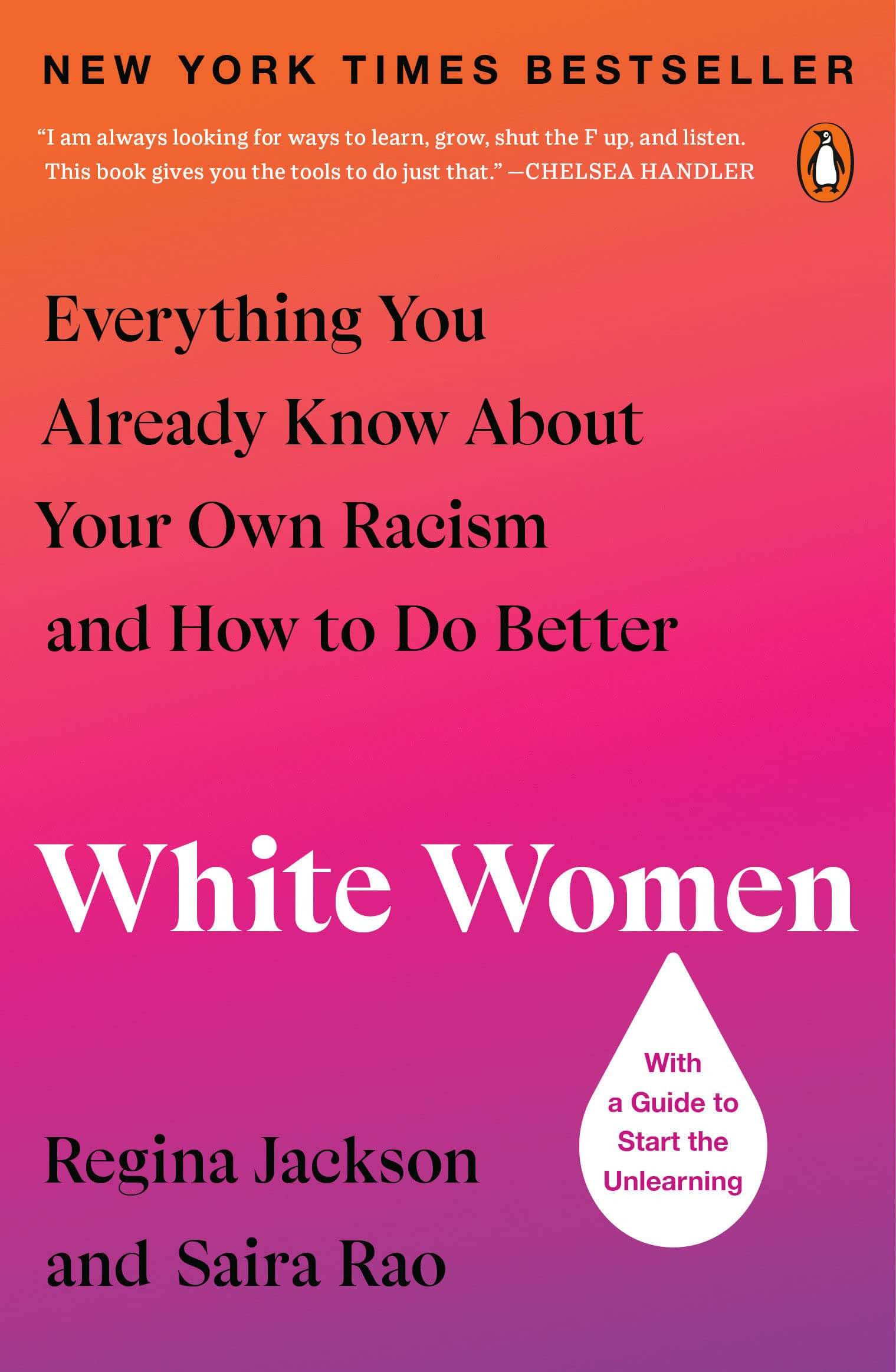
I have to tell you that, as a white woman, this book will probably make you angry and uncomfortable at times. These women will certainly call you out on your racist nonsense. But reading it with an open mind will help you consider your thoughts and actions and how to improve them.
My only criticism about the book is that I wanted stronger action items. The authors spend a lot of time identifying subtle (and not-so-subtle) ways that white women are racist and uphold racism. I wish there was more advice on what to do when these situations arise. Recognizing the problem is one thing, but we all know taking action and changing behavior is quite another.
Happy Reading!
There they are, my 15 favorite nonfiction books of 2023. I hope you find something on the list to read and love. And, of course, I’d love your recommendations. Please share them in the comments.
As always, Happy Reading!